Getting Your Home Ready for a Roof Replacement
Having your roof replaced or repaired is a major project. It involves heavy materials, loud equipment, and workers moving around your property for several days. A little preparation on your part can make the process smoother, safer, and less disruptive. This article walks through the key steps to take before the crew arrives, so you know what to expect and how to protect your home and belongings.
Clear the Work Area Inside and Out
The first thing to do is give the roofing crew plenty of room to work. Start inside your attic or the top floor of your home. Cover any stored items with plastic sheeting or old sheets to protect them from dust and debris. Even with careful work, vibrations from hammering and tearing off old shingles can send fine dust through ceiling cracks and vents. If you have delicate electronics, family heirlooms, or anything you value, move it to a lower floor or a room far from the work area.
READY ROOFING, LLC is also on Instagram.
Outside, move vehicles, patio furniture, grills, potted plants, and yard decorations away from the house. Ideally, park cars on the street or in a driveway that won't block the crew's access. Trim back any tree branches that hang over the roof. Overhanging limbs can interfere with the work and also drop leaves and debris onto the new roof. If you have a garden or flower beds next to the house, consider covering them with tarps to catch falling shingles and nails.
Also think about access. The crew will need to bring ladders, dumpsters, and sometimes a crane or conveyor to haul materials up to the roof. Make sure the path from the street to your house is clear. If you have a gate, check that it opens easily and is wide enough for wheelbarrows and equipment. Let your neighbors know about the project, especially if the work will create noise or block a shared driveway.
Secure Your Belongings and Protect Surfaces
Vibrations from the work can travel through the house. Wall hangings, picture frames, and shelves with loose items may shift or fall. Take down anything fragile from the walls that share a roofline. Secure books and decorative objects on shelves. If you have a ceiling fan or light fixture that hangs below the roof deck, consider removing it temporarily or making sure it is firmly attached.
Inside the attic, check for any stored items near the roof deck. Move them away from the area where workers will be pulling off old shingles. If the crew needs to access the attic for ventilation or to check the roof structure from below, they will appreciate a clear path and a well-lit space. Put a drop cloth or old sheets over anything that cannot be moved.

Outdoors, consider placing plywood or heavy cardboard over walkways and patios that the crew will use. This protects the surface from dropped tools and heavy foot traffic. If you have a deck or porch roof that connects to the main roof, let the crew know about any weak spots or areas you are worried about. They can take extra care around skylights, chimneys, and vents.
Understand the Permit and Inspection Process
Most residential roofing projects require a building permit from your local municipality. The permit ensures that the work meets local building codes for wind resistance, fire safety, and structural integrity. The roofing contractor typically pulls the permit, but you should confirm this before work starts. Ask for a copy of the permit and the inspection schedule. Inspections usually happen at key stages: after the old roof is removed (the "bare deck" inspection), after underlayment is installed, and after the final roof covering is complete. Knowing when the inspector will visit helps you plan your own schedule and ensures the work isn't covered up before it is checked.
If you are working with a contractor, ask them about the permit process and whether you need to be home for inspections. Some inspectors require homeowner presence, others just need access. Having a clear understanding of this step avoids delays and potential fines later.
Plan for Disruptions and Safety
Roof work is noisy and messy. Plan to be out of the house during the loudest parts, especially during the tear-off phase when workers are prying off old shingles and hauling them to the dumpster. If you work from home, consider booking a coworking space or working from a coffee shop for the first day or two. If you have small children or pets, think about their comfort too. The constant banging and unfamiliar voices can be stressful for animals. Set up a quiet room away from the work area for them, or arrange for a pet sitter or doggy daycare during the day.
Also be aware that the crew may need to turn off your power or water for short periods. They might need to disconnect the electrical meter to safely work near service lines, or they may need to shut off the water to replace a vent pipe or flashing around a plumbing stack. Ask your contractor ahead of time if any utilities will be interrupted and for how long. Have a plan for those few hours: charge your devices, fill a few jugs of water, and let your family know.
Check Your Insurance Coverage
Before the crew arrives, review your homeowner's insurance policy. Understand what it covers in case of accidental damage to your property or injury to a worker. Reputable roofing contractors carry their own liability insurance and workers' compensation, but it is smart to know your own policy's limits and exclusions. Ask the contractor for a certificate of insurance and verify it is current. This simple step protects you from being held liable for accidents that happen on your property.
If you have a home warranty, check whether the roof work will affect it. Some warranties require you to notify them before major renovations. Keeping them informed can prevent disputes later.
Prepare for the Weather
Roof work is weather-dependent. Rain, high winds, and extreme heat can delay the project. Check the forecast for the week the work is scheduled. If rain is likely, talk to your contractor about their procedure for protecting the open roof deck. They should have tarps and temporary waterproofing ready to deploy quickly. Ask them how they handle unexpected storms and what happens if the work is delayed. Having a clear communication plan with the crew helps you adjust your own schedule.
If the work takes place in hot weather, make sure the crew has access to water and shade. A simple gesture like leaving a cooler of water bottles on the porch is appreciated and keeps the team hydrated and safe. In cold weather, be aware that some roofing materials, like adhesives and sealants, have temperature limits for proper application. Your contractor should know the product specs, but it does not hurt to ask.
Know What to Expect During the Tear-Off and Installation
The first day of work is usually the loudest. The crew will strip off the old roofing material down to the roof deck. This exposes the underlying wood or plywood. They will inspect the deck for rot, damage, or weak spots and replace any bad sections before installing new underlayment. This is the time to ask questions if you see something that concerns you. The crew may also add or improve roof ventilation at this stage, which helps prevent moisture buildup and extends the roof's lifespan.
Once the deck is prepared, the new underlayment goes down, followed by the new shingles, tile, or metal roofing. The installation process is methodical: each row of material overlaps the one below it to shed water. Flashing around chimneys, vents, and valleys is carefully fitted and sealed. A good crew will clean up at the end of each day, sweeping up nails and debris from your yard and driveway. If they do not, ask them to. A clean worksite is a sign of professional roof installation work that respects your property.
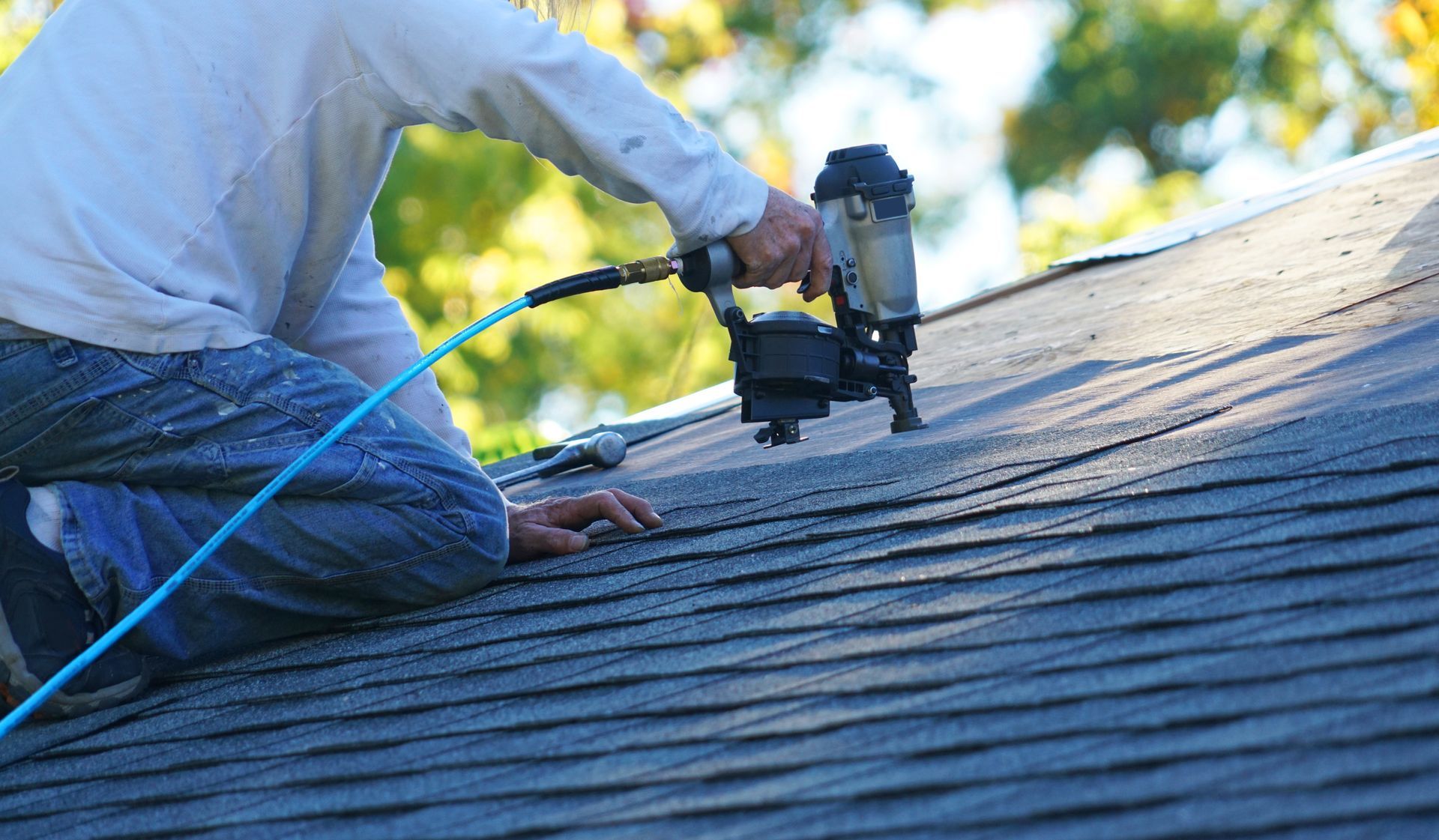
During the installation, you may hear hammering, nail guns, and the hum of a conveyor or lift. The crew will be on the roof for most of the day. If you have a steep roof, they may use safety lines and harnesses. Do not approach the work area without the crew's permission. Falling tools and materials are a real hazard. Keep children and pets indoors and away from the perimeter of the house.
When the work is done, the crew will do a final cleanup, including magnet-sweeping the yard for nails. They will also do a final walk-through with you to point out any details, like where the vents are located or how to maintain the new roof. This is a good time to ask about warranty coverage, maintenance tips, and what to watch for in the first few months.
Plan for the Aftermath
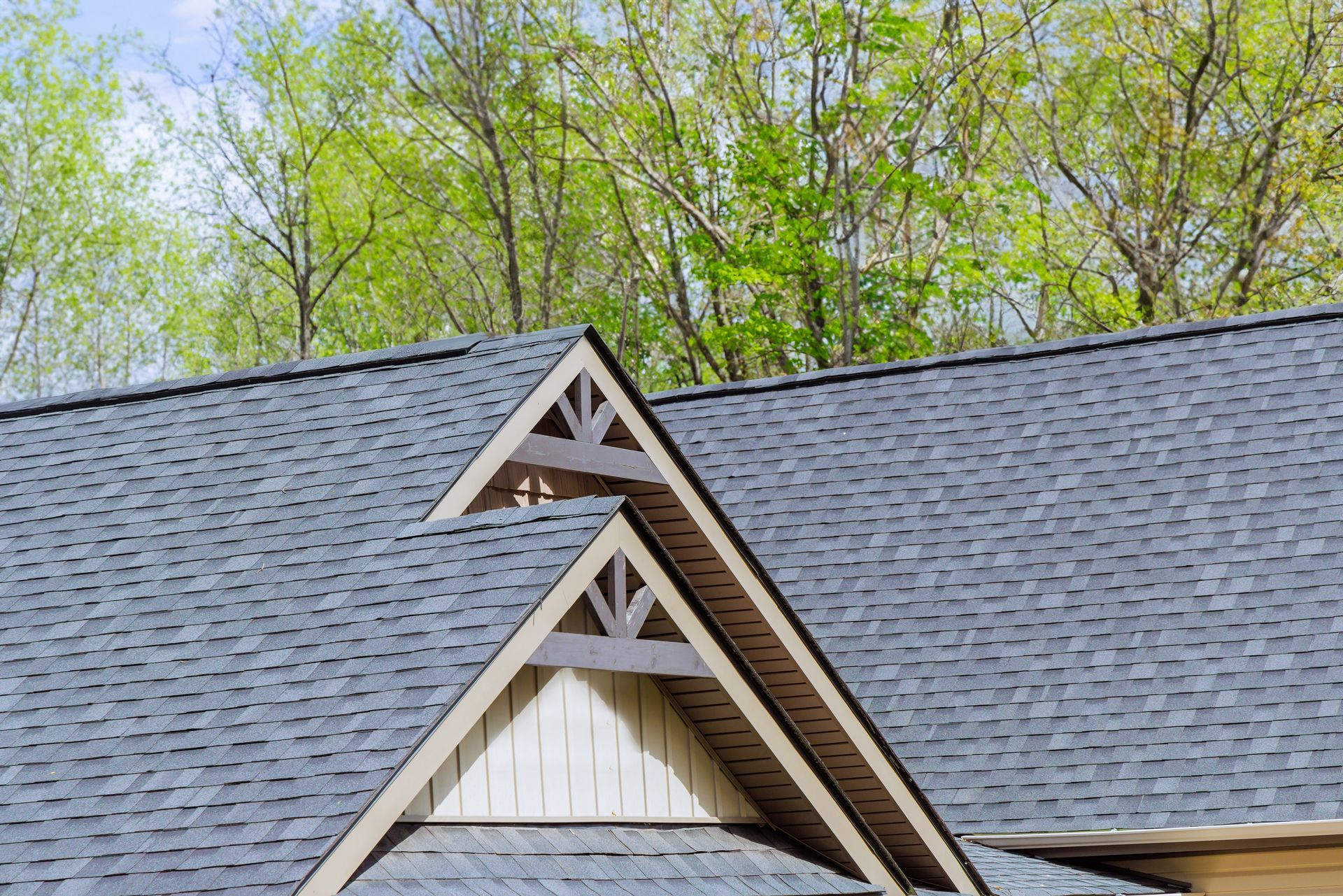
After the crew leaves, your home will look different. The new roof should be clean, uniform, and properly sealed. Over the next few days, walk around the exterior and look for any stray nails, pieces of flashing, or bits of old shingles that may have been missed. Check gutters and downspouts for debris. If you notice any issues, contact the contractor promptly.
The new roof will need occasional maintenance, such as cleaning gutters, trimming overhanging branches, and checking for damaged shingles after a storm. A well-maintained roof can last for decades, protecting your home and family. By preparing your home thoroughly before the work starts, you help ensure that the project goes smoothly and that the results are worth the investment.
Ready Roofing, LLC, located at 5105 Philips Hwy Ste 205, Jacksonville, FL 32207, USA, provides residential and commercial roof repairs, replacements, inspections, and storm damage restoration across Northern Florida, and can be reached at +1 904-404-9849 for more information about your roofing project.